Books About Feelings and Emotions for Ages 2–5
Books
Parenting
ABA Therapy
Autism 101
Emotions
Family
Family Fun

.jpg)
Spring is a season full of change, growth, and new experiences — making it the perfect time to help young children explore feelings and emotions through books.
For toddlers and preschoolers, stories can provide gentle, engaging ways to learn about emotions like happiness, frustration, excitement, worry, and calm. Books also create opportunities for connection, communication, and emotional learning during cozy moments together.
For autistic children and other young learners, books with simple language, repetition, visual supports, and relatable emotional themes can be especially meaningful.
Here are some wonderful spring-themed and emotion-focused books for children ages 2–5.
Books help children:
Reading together also creates safe opportunities to talk about feelings in a low-pressure way.
Even children who are minimally verbal or nonverbal can benefit from:
This beautifully illustrated book introduces emotions through colors and simple visual metaphors.
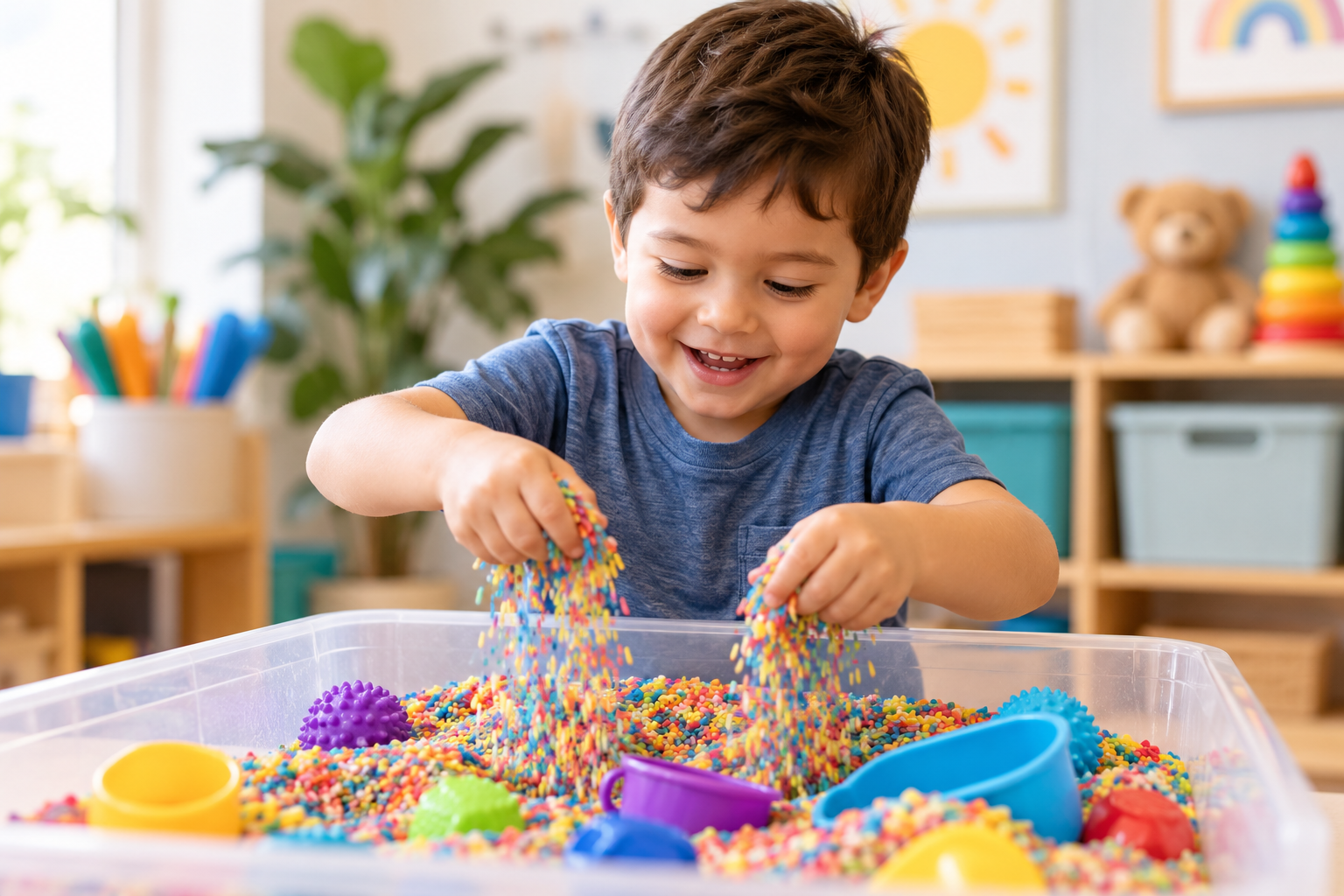
Pair the story with colored sensory bins or sorting activities based on emotions.
This gentle book explores many different feelings in a relatable and comforting way.
Pause and ask:
“What does your heart feel like today?”
Children can answer with words, gestures, pictures, or AAC.
Although not specifically about emotions, this calming spring story naturally opens conversations about patience, anticipation, and excitement.
The soft illustrations and predictable language make it especially soothing for young listeners.
This beautiful story teaches children that sometimes the best support is simply having someone present and listening.
This is a wonderful book for helping children understand big feelings without trying to “fix” them immediately.
Sometimes children wake up feeling upset for no clear reason — and this funny story helps normalize those experiences.
Children often enjoy identifying the monkey’s facial expressions throughout the story.
This book helps children connect emotions with physical sensations in their bodies.
This can be especially supportive for autistic children learning to recognize body cues connected to emotions.
These colorful books introduce individual emotions in clear, child-friendly ways.
The visual style makes emotions easier for many young children to understand and discuss.
Use short phrases like:
You do not need to finish every book in one sitting.
Point to faces, gestures, and body language.
Try saying:
“I feel calm when we read together.”
Repetition helps children feel confident and supports learning.
After reading together, try:
These playful activities help reinforce emotional concepts naturally.
Books can help young children feel understood, connected, and safe while learning about emotions. Through stories, toddlers and preschoolers begin to recognize feelings in themselves and others while building communication and emotional awareness.
This spring, simple moments spent reading together can blossom into meaningful conversations, stronger connections, and lifelong emotional learning.
And sometimes, the best lesson a child learns from a story is simply:
“All feelings are okay.”