Developmental Disabilities Awareness Month: Supporting Inclusion in Early Childhood
Supporting Incllusion
ABA Therapy
Autism 101
Emotions
Family
Family Fun
Mental Health
Parenting

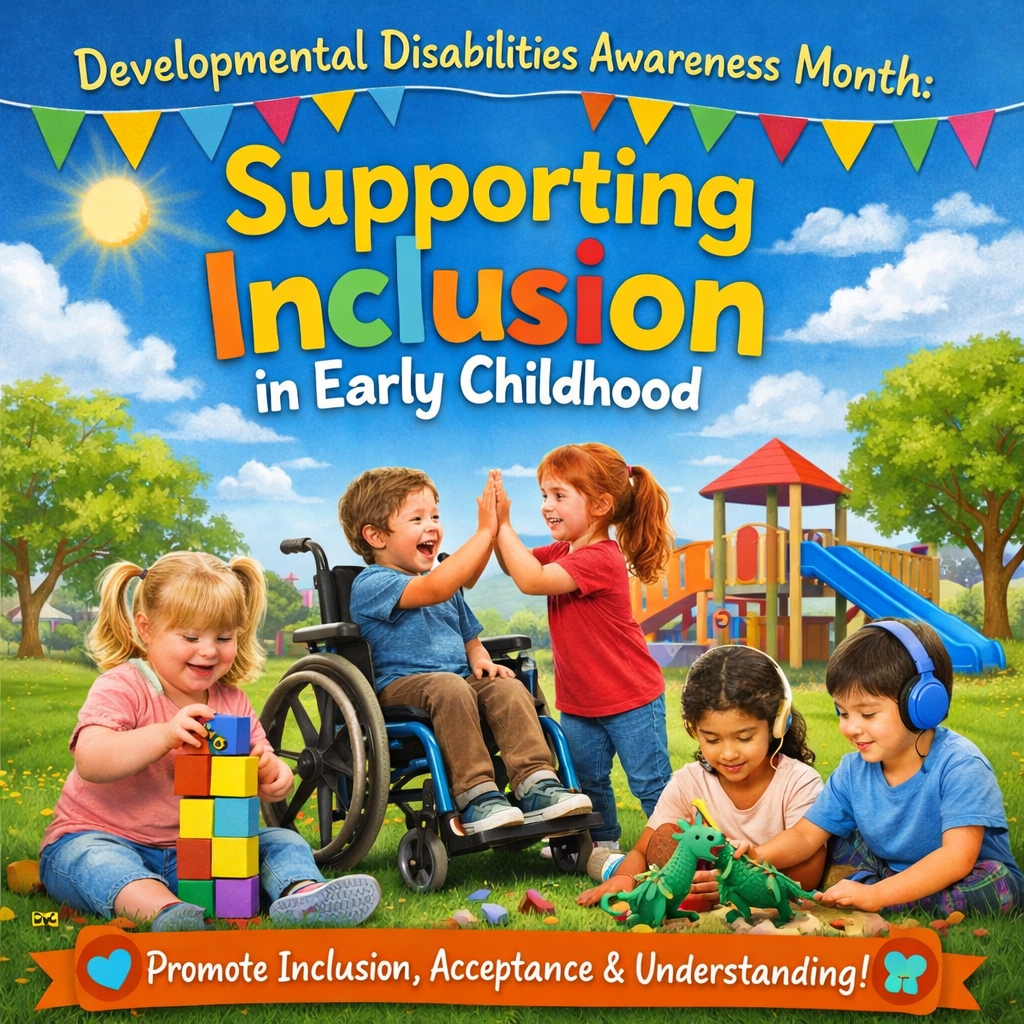
Every March, communities across the country recognize Developmental Disabilities Awareness Month, a time dedicated to increasing understanding, promoting acceptance, and celebrating the contributions of individuals with developmental disabilities. For families with young children, this month is also an opportunity to talk about inclusion, early support, and the importance of creating environments where every child can learn, grow, and feel like they belong.
In early childhood, inclusion isn’t just a nice idea; it’s a powerful way to help children build confidence, develop social skills, and experience the world alongside their peers.
Inclusion means ensuring that children with developmental differences have the opportunity to participate fully in everyday experiences, whether that’s preschool activities, playtime with friends, family gatherings, or community events.
For young children, inclusive environments might look like:
Inclusion helps children with developmental disabilities practice important skills in natural settings, while also teaching other children empathy and understanding.
Early childhood is a time of rapid growth and development. When children receive support during these early years, it can make a meaningful difference in how they build communication, social, and learning skills.
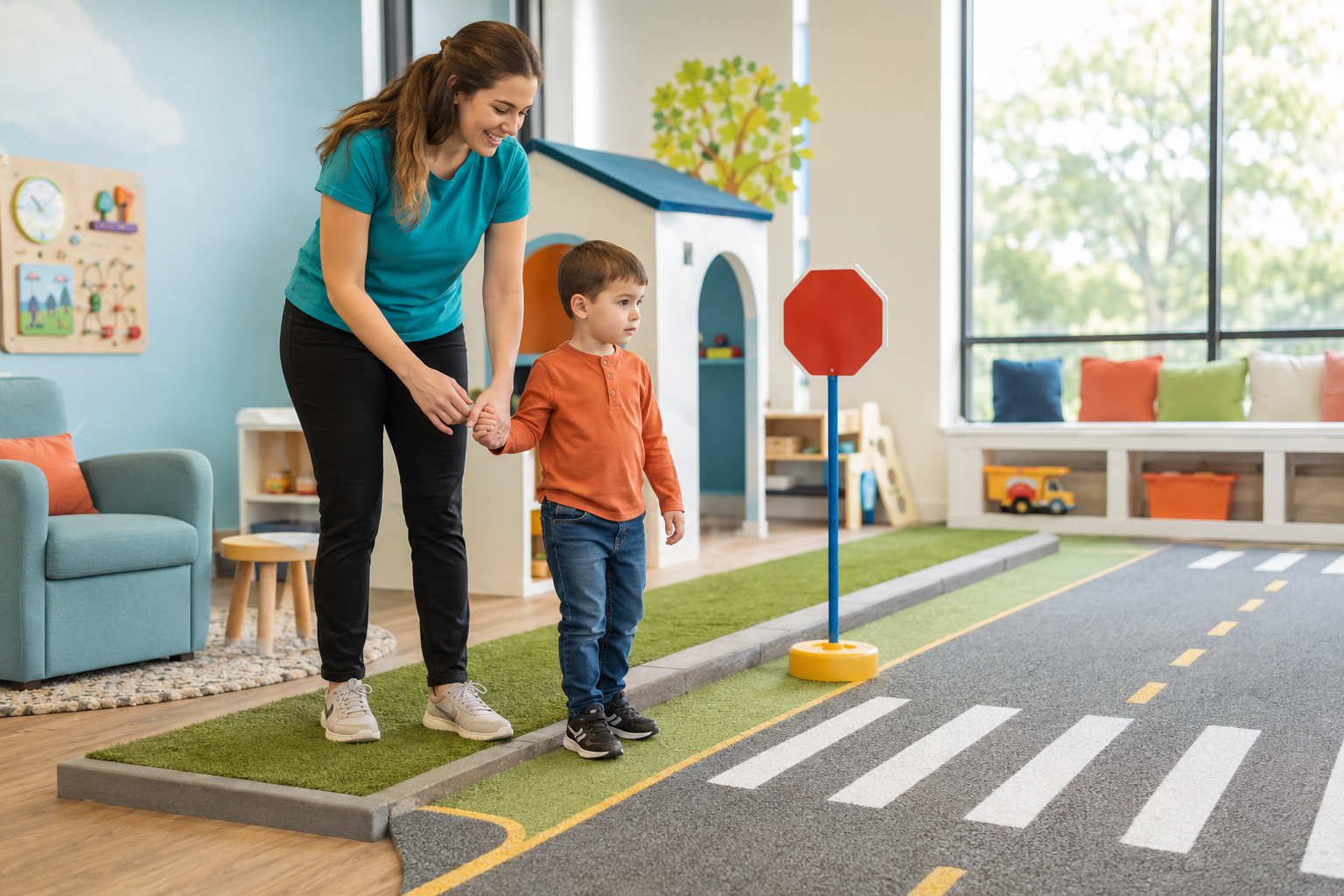
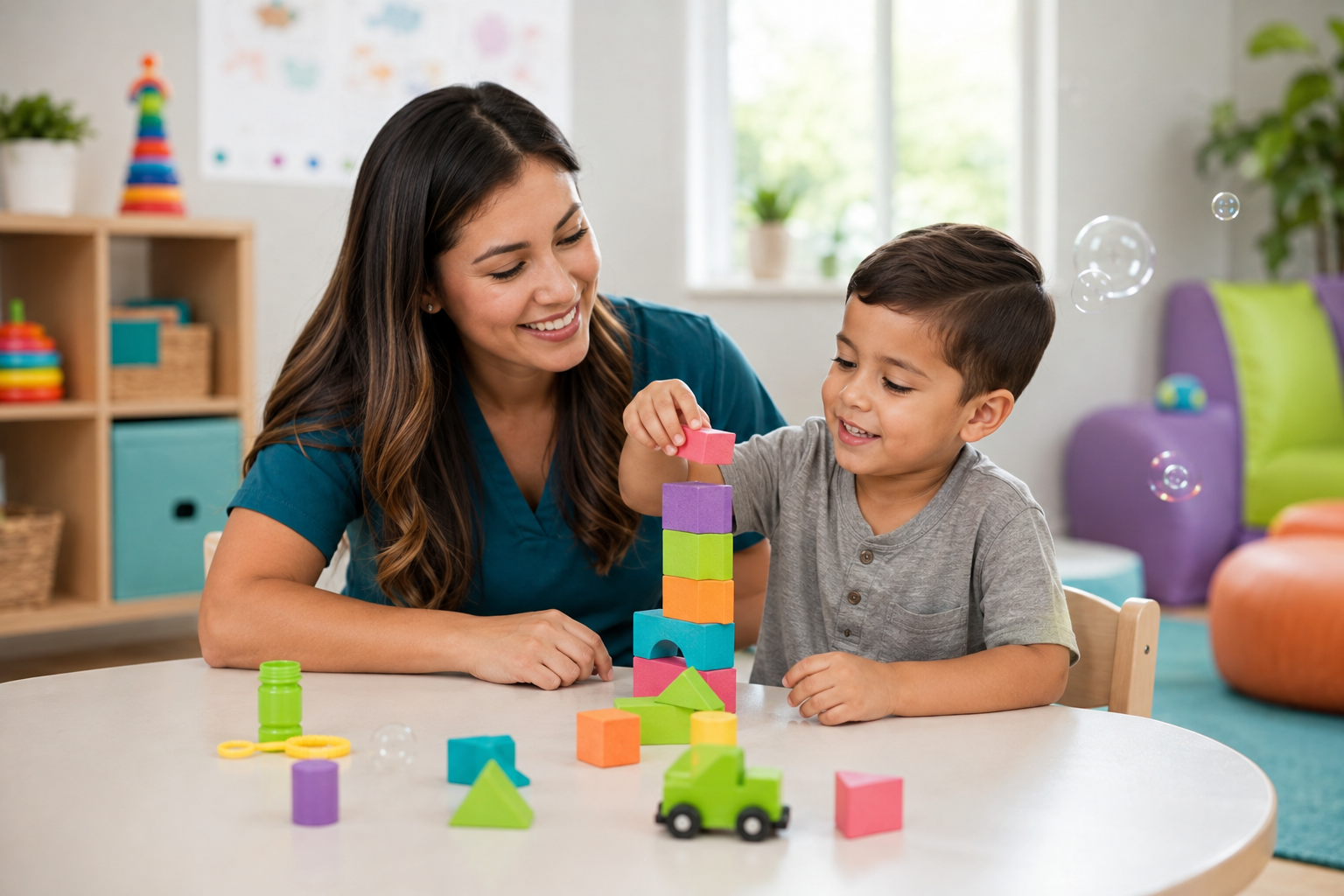
Many families turn to Applied Behavior Analysis (ABA) therapy to help children develop these foundational abilities. ABA therapy focuses on understanding behavior and teaching skills step-by-step in ways that are meaningful for each child.
For young children, therapy may help with:
When these supports are introduced early, children often gain tools that help them succeed both in therapy and in inclusive environments like preschool or daycare.
Inclusive environments don’t just benefit children receiving support; they benefit everyone.
When children grow up learning alongside peers with different abilities, they naturally develop:
These experiences help build communities where diversity is valued, and everyone feels welcomed.
Families play a powerful role in helping young children understand and embrace inclusion. Small everyday moments can help build acceptance and connection.
Here are a few simple ways to support inclusion:
1. Talk about differences positively
Children are naturally curious. When they notice differences, simple and supportive explanations can help them understand that everyone learns and grows in their own way.
2. Encourage inclusive play
Look for opportunities where children of different abilities can play together through shared activities like art, building, or imaginative play.
3. Model kindness and patience
Children learn by watching the adults around them. Demonstrating patience, encouragement, and understanding helps set the tone.
4. Celebrate strengths
Every child has unique talents, interests, and abilities. Recognizing and celebrating these strengths builds confidence and connection.
Developmental Disabilities Awareness Month is a reminder that inclusion begins early, with families, educators, therapists, and communities working together to support every child’s potential.
When young children are given the tools, support, and opportunities they need, they can build meaningful friendships, develop important life skills, and grow into confident individuals.
By fostering inclusive environments in early childhood, we help create a future where every child is valued, supported, and empowered to thrive.