What Does ABA Therapy Look Like for a Toddler or Preschooler?
ABA Therapy for Toddler
ABA Therapy
Family
Parenting


If you’ve ever wondered what actually happens in ABA therapy for young children, you’re not alone. The term “ABA therapy” can sound clinical or intimidating at first, but in reality, for toddlers and preschoolers, it often looks a lot like play, connection, and very intentional teaching moments woven into everyday activities.
Let’s break it down in a way that makes it easier to picture what your child’s day might actually feel like.
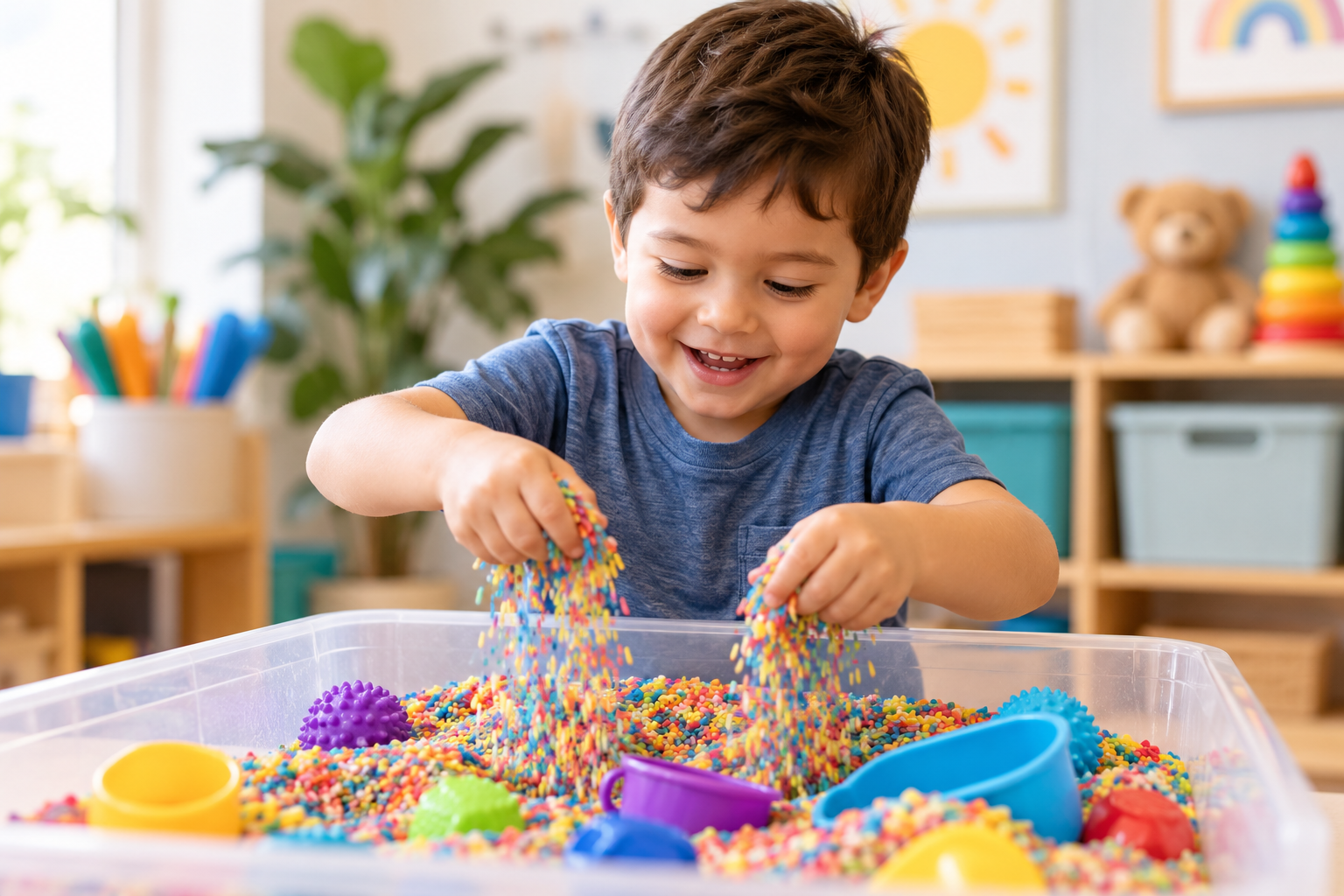
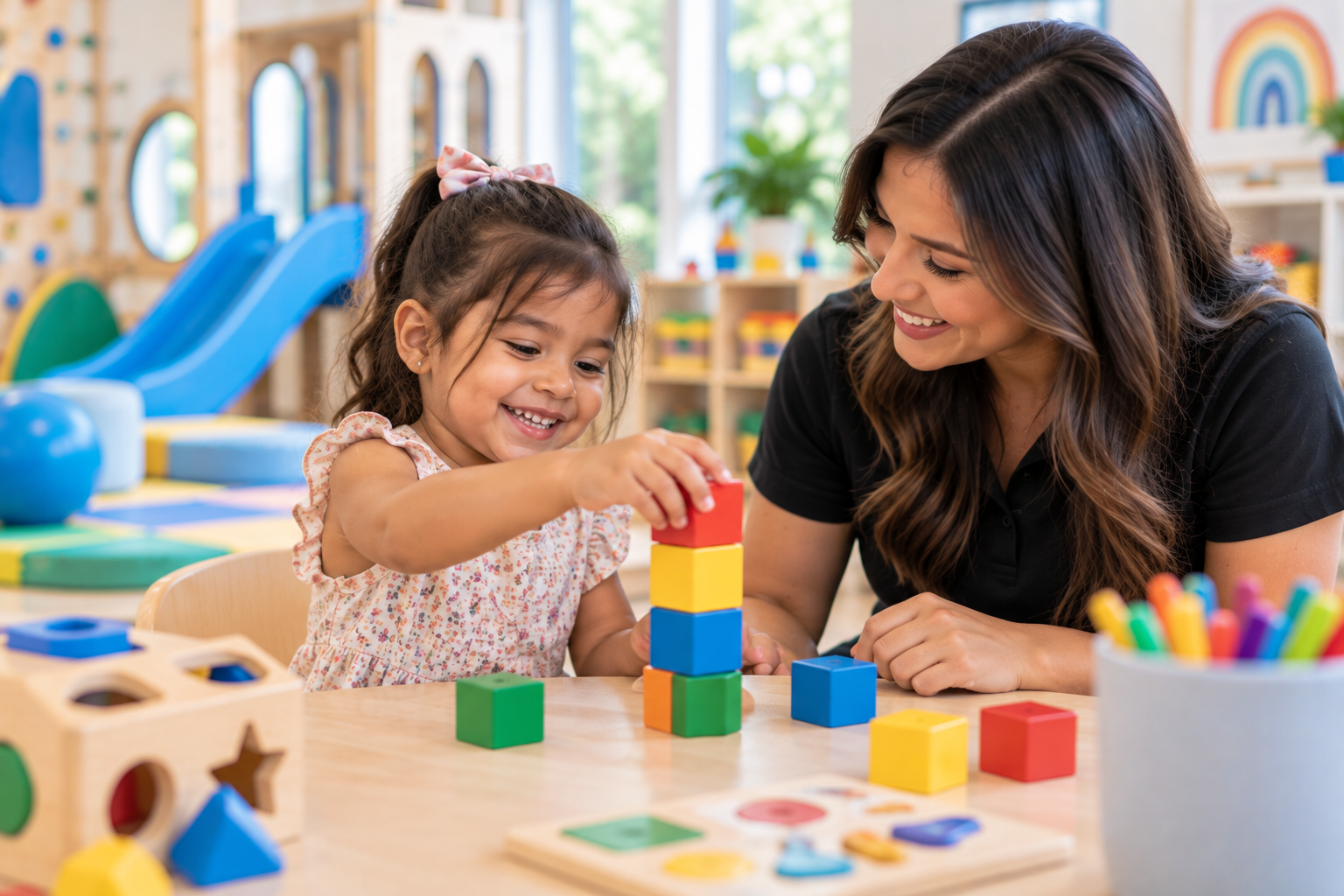
At the toddler and preschool level, ABA therapy is rarely sitting at a table doing worksheets. Instead, it’s built around play-based learning.
That might look like:
To a child, it feels like playtime. To the therapist, each moment is a carefully planned opportunity to teach communication, social skills, and independence.
A big part of ABA therapy for young children happens during routines you already do every day.
For example:
These small, repeated moments are where meaningful progress builds over time.
For many toddlers and preschoolers in ABA therapy, communication is a major focus.
Depending on the child, this might include:
Therapists spend a lot of time helping children understand that communication works. For example, “If I point or say ‘juice,’ someone responds.” That cause-and-effect understanding is huge for reducing frustration and building independence.
When challenging behaviors happen, ABA therapy doesn’t ignore them or punish them. Instead, therapists focus on understanding what the behavior is communicating.
A meltdown might be a sign of:
Therapists guide the child through those moments by teaching replacement skills, not just trying to stop the behavior. Over time, the child learns safer and more effective ways to express their needs.
One of the most important parts of ABA therapy is positive reinforcement.
That can look like:
The goal is simple: help the child feel successful and motivated to try again.
For toddlers and preschoolers especially, ABA therapy works best when caregivers are part of the process.
Parents might:
The idea is that progress doesn’t stay in the therapy room. It carries into home, daycare, and community life.
At its core, ABA therapy for young children is not about changing who they are. It’s about helping them build skills that make life easier, more connected, and less frustrating.
For a toddler or preschooler, it often looks like:
And while progress can feel slow at times, those small steps add up in powerful ways.