Empowering Families of Young Children with Autism
Empowering families
Autism 101
Emotions
Family
Family Fun
Parenting


Receiving an autism diagnosis for your child can bring many emotions, uncertainty, hope, and questions about what comes next. For many families, the journey begins with learning how to support their child in ways that encourage growth, communication, and confidence.
Understanding autism and finding the right support can help families feel empowered and better prepared to navigate the early years. With the right tools, guidance, and encouragement, families play a vital role in helping their child reach meaningful developmental milestones.
Autism Spectrum Disorder (ASD) is a developmental condition that can affect communication, social interaction, behavior, and learning. Every child with autism is unique, which means their strengths, challenges, and developmental paths may look different from others.
Some young children with autism may experience:
While these characteristics can present challenges, they can also highlight areas where early support can make a meaningful difference.
Early childhood is a critical time for learning and development. When children receive support during these early years, they have more opportunities to build foundational skills that will support them as they grow.
One widely used approach is Applied Behavior Analysis (ABA) therapy. ABA focuses on understanding how behavior works and using positive reinforcement to help children develop new skills.
ABA therapy can help young children learn:
These skills not only support development but also help children participate more fully in family life, school, and their communities.
Parents and caregivers are a child’s first teachers, and their involvement is one of the most important factors in a child’s progress. When families are actively involved in therapy and learning strategies they can use at home, children often experience more consistent and meaningful growth.
Families can support their child by:
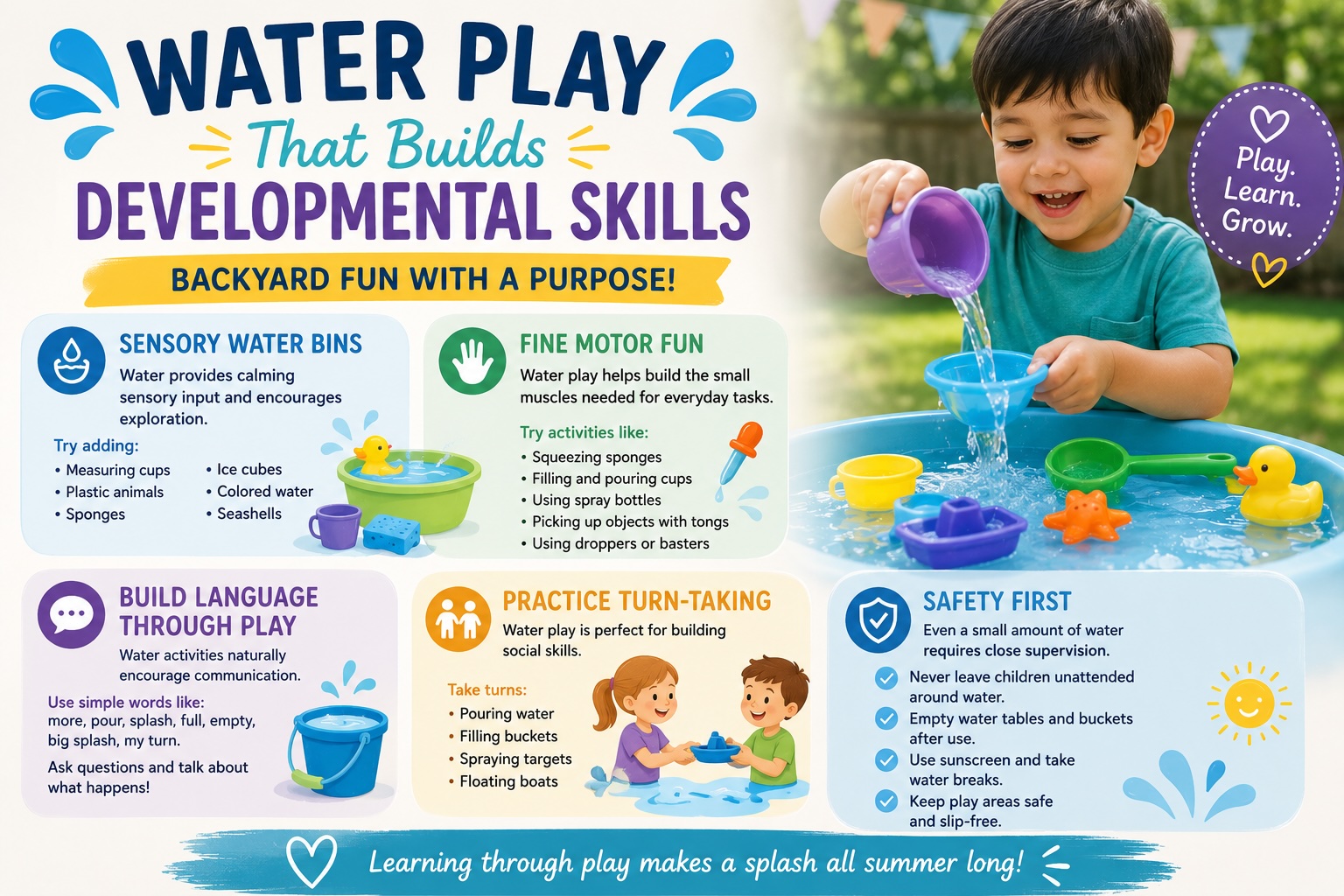
Even small moments, like practicing turn-taking during playtime or encouraging a child to request a favorite snack, can help strengthen important developmental skills.
Empowerment doesn’t happen overnight. It grows through knowledge, support, and shared experiences with professionals and other families navigating similar journeys.
Families often feel more confident when they:
Remember that progress may happen in small steps, but every step forward matters.
Raising a young child with autism can come with challenges, but it also brings opportunities to celebrate unique strengths, meaningful milestones, and incredible resilience.
With early support, compassionate guidance, and strong family involvement, children with autism can develop the skills they need to communicate, connect, and thrive.
When families feel empowered, children benefit, and together they can build a path filled with growth, confidence, and possibility.