Helping Your Child Tolerate New Experiences: Haircuts, Doctor Visits, and Community Outings
New Experieces
Emotions
Family
Mental Health
Parenting


For many young children, new experiences can feel overwhelming. Bright lights, unfamiliar sounds, new people, and unexpected routines can make everyday activities, like getting a haircut, visiting the doctor, or going to a busy store, challenging.
For children with Autism Spectrum Disorder, these situations can be especially difficult due to sensory sensitivities, changes in routine, or uncertainty about what will happen next. The good news is that with preparation, patience, and the right strategies, families can help children become more comfortable navigating new experiences.
Many everyday environments involve sensory input that can feel intense or unpredictable for young children.
A child may struggle with:
When a child doesn’t know what to expect, it can lead to anxiety, resistance, or meltdowns. Preparing them ahead of time can help reduce that uncertainty.
One of the most effective strategies is gradual exposure. Instead of expecting a child to immediately tolerate a full experience, break it down into smaller steps.
For example, preparing for a haircut might include:
These smaller steps allow a child to build familiarity and confidence over time.
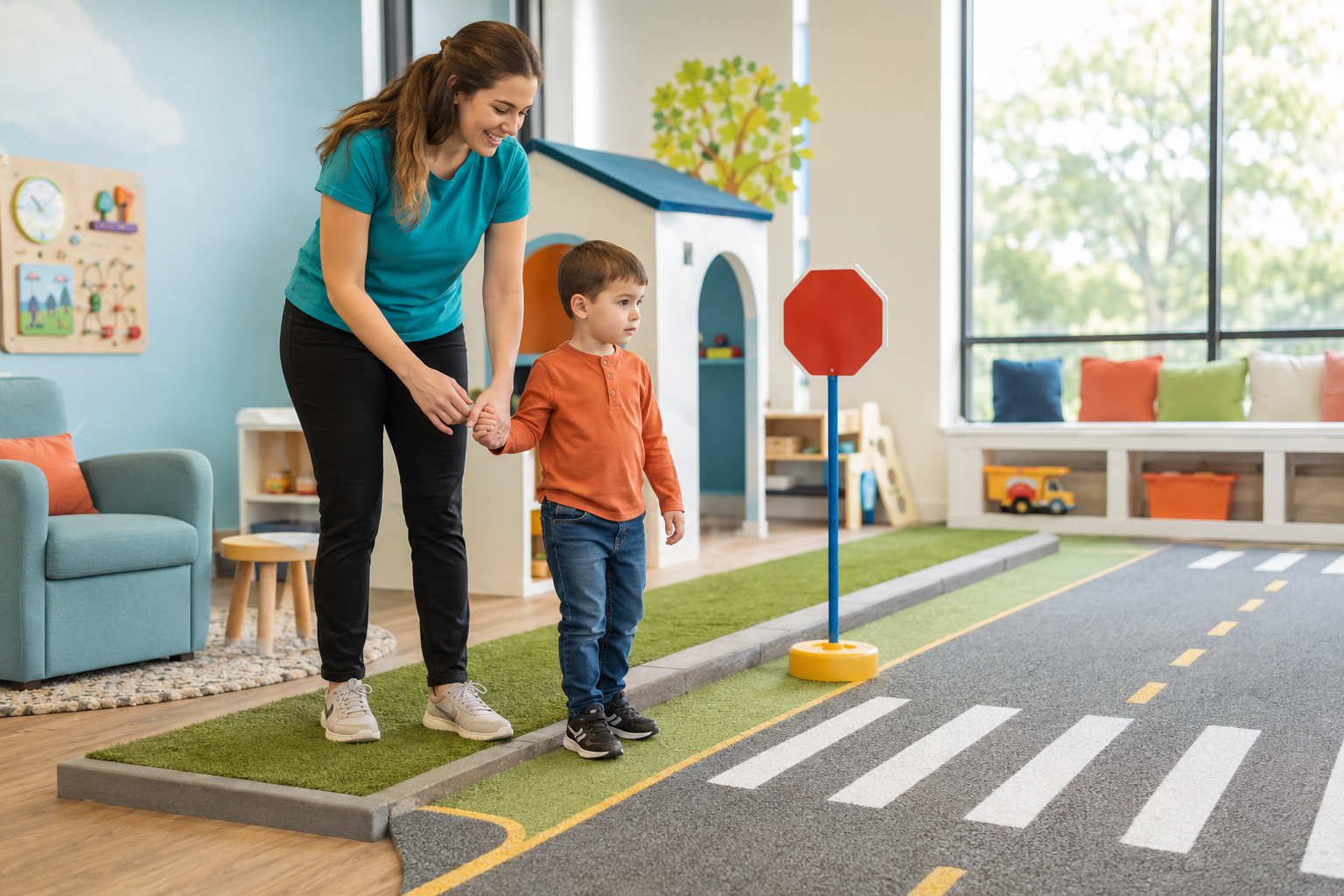
Children often learn best through play. Pretending to go through the experience ahead of time can help make unfamiliar situations feel more predictable.
Try practicing at home by:
Role-play helps children understand what will happen and gives them a chance to practice coping with the steps in a comfortable environment.
Many children benefit from visual schedules or picture sequences that show the steps of an upcoming activity.
For example, a doctor visit visual might include:
Knowing what comes next can help reduce anxiety and give children a sense of control.
Celebrating progress, no matter how small, can help children feel proud of their efforts.
Positive reinforcement might include:
Approaches like Applied Behavior Analysis (ABA) often use positive reinforcement to help children connect new experiences with positive outcomes.
Community activities such as grocery shopping, family events, or visiting a park can also feel overwhelming at first.
Helpful preparation strategies include:
Over time, these outings can become valuable opportunities for children to practice social skills, flexibility, and confidence in real-world environments.
Learning to tolerate new experiences is a process, and progress may happen gradually. A child who once resisted entering a barbershop may eventually sit in the chair calmly. A doctor visit that once felt overwhelming may become routine.
Every small success builds confidence for both the child and the family.
With patience, preparation, and supportive strategies, families can help children become more comfortable navigating everyday experiences, opening the door to greater independence and participation in the world around them.