Winter Water Safety: Why It Still Matters!
Winter water safety
Family
Parenting

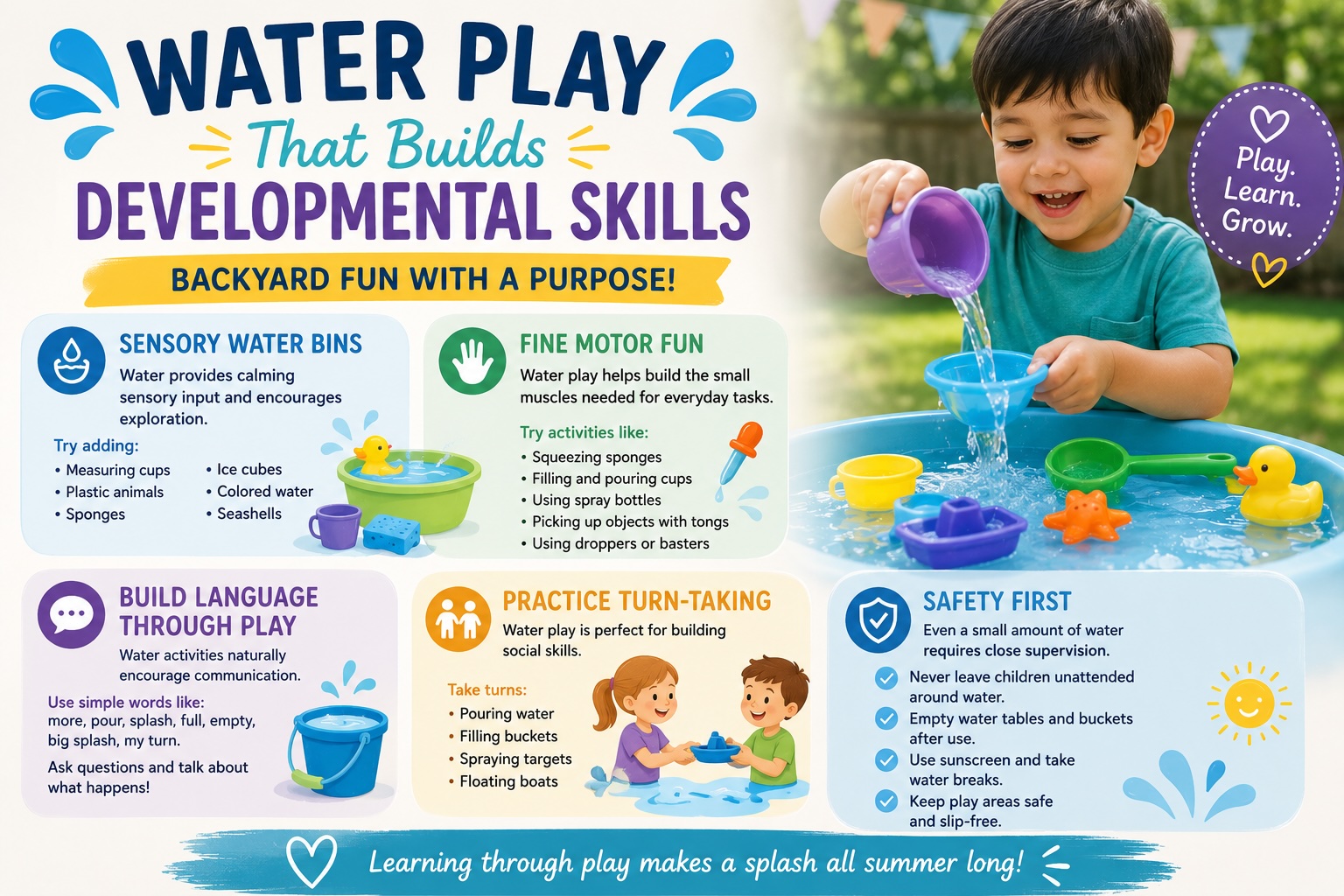
When winter arrives, most families pack away swimsuits and think water safety can take a long holiday nap. But for many young children, especially children with autism, water remains a year-round attraction. Winter brings its own unique risks, and staying mindful can help keep children safe while supporting their natural curiosity and love for sensory play.
Below are key reasons why winter water safety still matters, along with simple tips families can use all season long.
❄️ 1. Water Is Everywhere, Even in Winter
Even when outdoor pools are closed, water can be found in many places children explore:
Bathtubs and sinks
Toilets
Fish tanks
Buckets or containers left outside
Puddles and melting snow
Unfenced ponds, creeks, and retention basins
For a child who is drawn to water for sensory comfort, calm, or fascination, these can be tempting, sometimes unexpectedly so.
❄️ 2. Children With Autism May Have a Strong Attraction to Water
Many autistic children naturally enjoy water because it can be:
Soothing
Predictable
Fun to touch or watch
A sensory experience that calms or regulates
This attraction is beautiful, but it can also mean children may seek out water independently, even in cold months when adults aren’t thinking about water safety.
❄️ 3. Cold Weather Adds Extra Dangers
Winter brings new risks, such as:
Cold shock
Falling into icy water can be extremely dangerous, even for just a moment. The cold can cause gasping, panic, or difficulty moving.
Slippery surfaces
Ice around ponds or walkways can cause falls into shallow or deeper water.
Hidden hazards
Snow can cover ditches, creeks, or runoff areas that usually look harmless.
❄️ 4. Routines Change in Winter, and So Do Safety Patterns
Families often spend more time inside, travel more, or follow different holiday schedules. A break in routine can sometimes increase wandering or decrease the usual structure that keeps children safe.
Consistency in safety habits matters, no matter the season.
❄️ 5. Bath Time Safety Is Year-Round
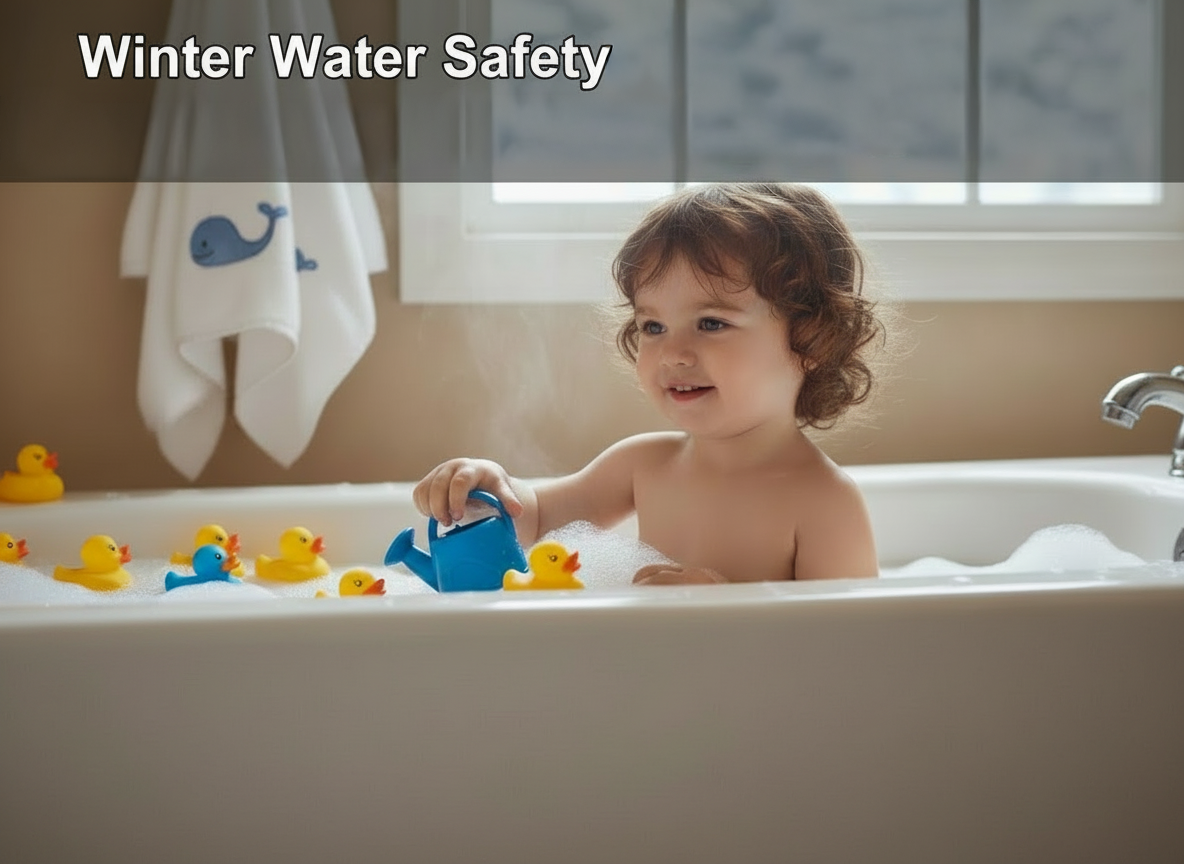
Baths remain the biggest source of water exposure during winter. Drowning can happen quietly and quickly, even in small amounts of water, and supervision is always essential.
🧤 Practical Winter Water Safety Tips for Families
1. Supervise around all water
Always stay within arm’s reach during bath time or when around any water source.
2. Keep doors and lids secured
Use locks on:
Bathrooms, Laundry rooms, Outdoor gates, oilets (childproof seats help!)
3. Create clear household rules
Simple, consistent rules like “Only with a grown-up” help set safe boundaries.
4. Teach water safety skills slowly and early
Swimming lessons, water play practice, and learning about safe behavior can happen year-round, even in small steps.
5. Use visual supports
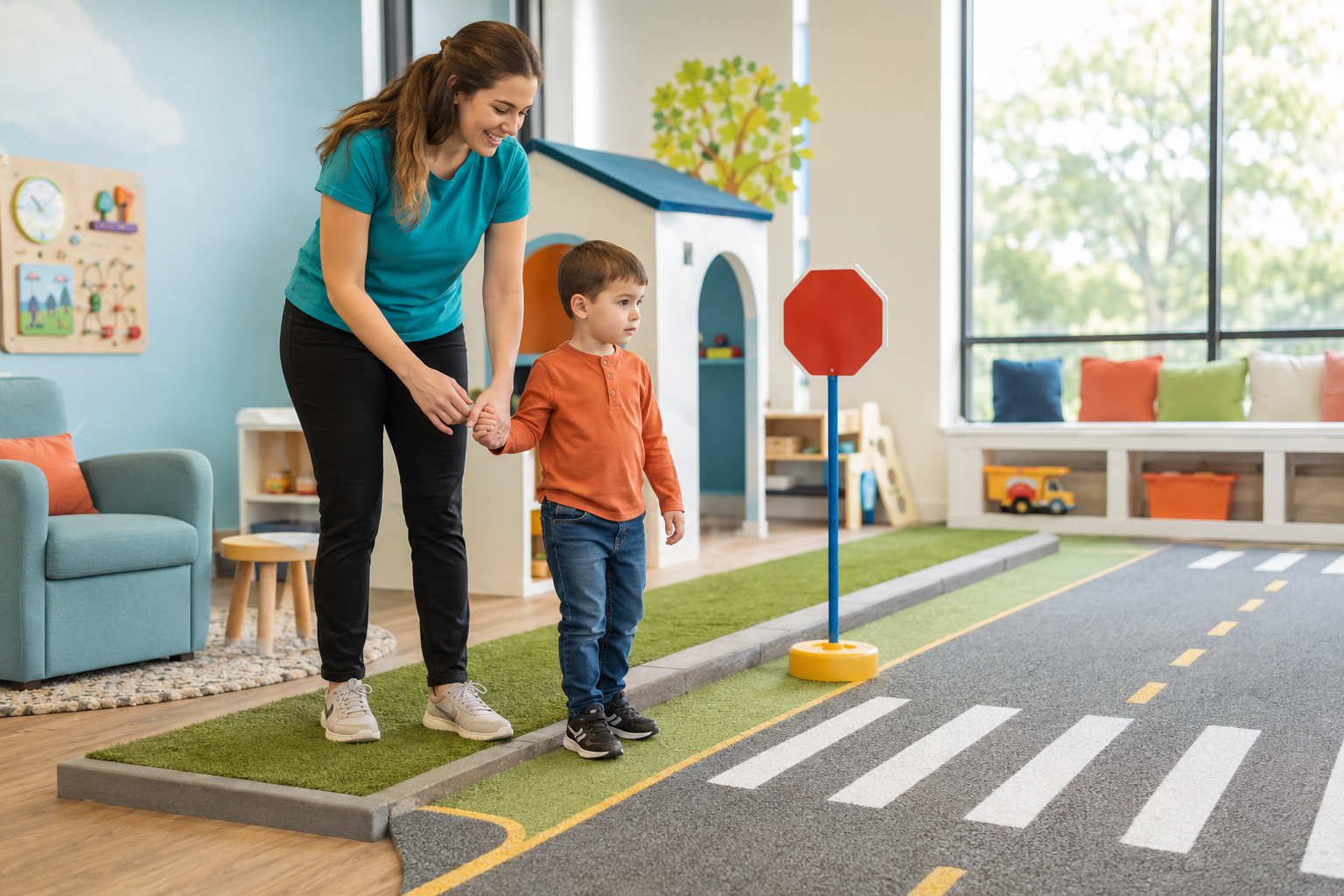
Picture schedules or “stop” signs on doors can help remind young children when water should only be used with adult help.
6. Be aware when traveling
Hotels, relatives’ homes, and rentals may have:
Unfenced ponds, Hot tubs, Unlocked bathrooms, Slippery areas - A quick safety check can make a big difference.
7. Dress for the weather
If playing near outdoor water, warm clothes, boots, and gloves help children stay safe and comfortable.
❤️ Winter Can Be Safe, Calm, and Fun
Water can be a joyful part of life for many autistic children, and winter doesn’t have to stop that joy, it just means families need to stay aware and prepared. With a few simple strategies, you can help your child enjoy the season safely while supporting their love of sensory experiences.