Play Is Learning: How ABA Therapy Builds Skills Through Play in Young Children
Play is learining
ABA Therapy
Autism 101
Emotions
Family
Family Fun
Parenting

For young children, play isn’t a break from learning—it is learning. For children with autism, play is also one of the most powerful ways to build communication, social skills, and independence. In ABA therapy, especially for children under 6, play is more than fun—it’s intentional, supportive, and developmentally meaningful.
During the early years, children learn best through hands-on experiences. Play helps children:
For children with autism, play also creates natural opportunities to practice skills in ways that feel enjoyable and motivating.
ABA therapy for young children is designed around play-based learning. Therapists carefully choose activities that match a child’s interests while supporting developmental goals.
Through play, children may work on:
Play keeps learning engaging while helping children build real-world skills.
Progress through play doesn’t always look dramatic. It may show up as:
These moments are meaningful indicators of growth, even when they seem small.
Parents don’t need special toys or structured activities to support learning through play. Simple, everyday play can reinforce therapy goals:
The key is connection, repetition, and allowing your child to lead when possible.
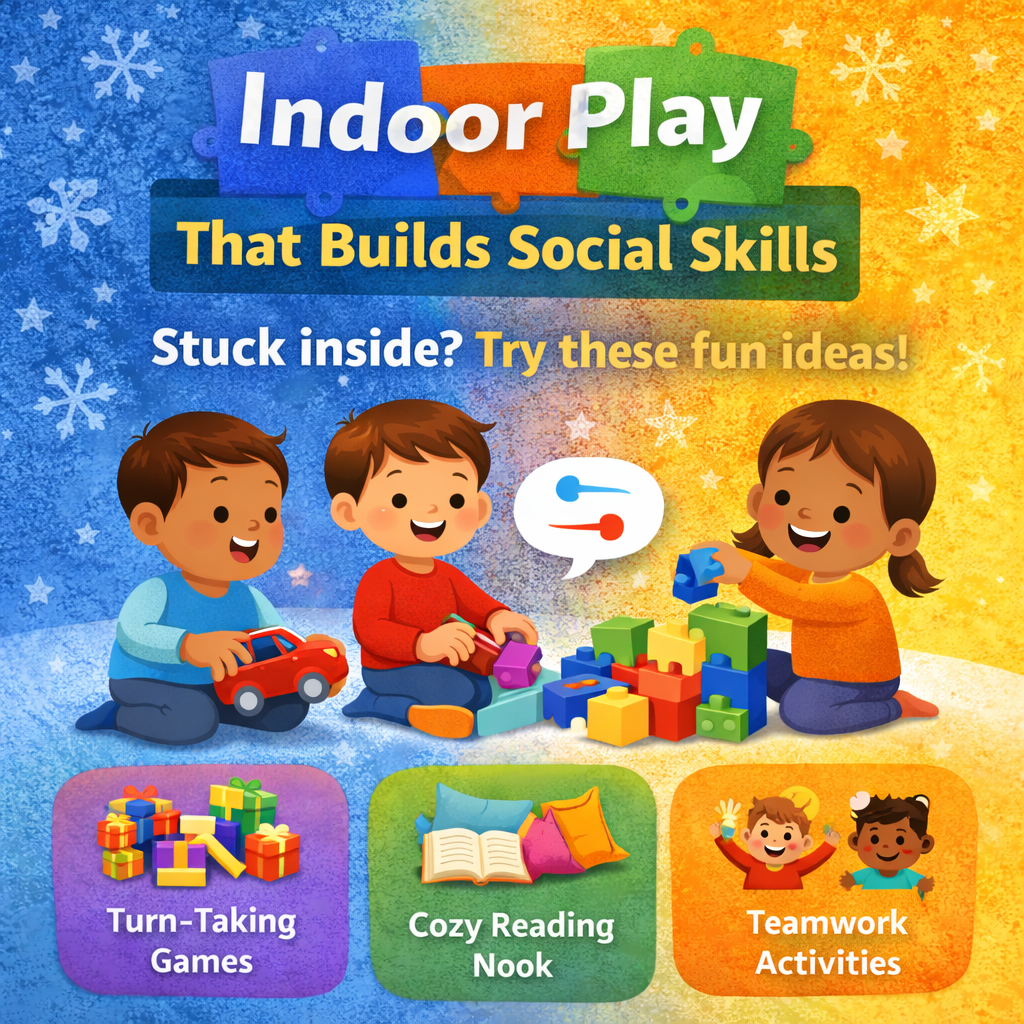
January often means colder weather, more time indoors, and fewer outings. This makes play-based ABA therapy especially valuable. Structured play provides predictability while keeping children engaged and learning—even during winter months.
Consistent play routines help young children feel secure and supported as they continue developing skills.
For children under 6, learning doesn’t happen in big leaps—it happens in small, repeated moments of connection. ABA therapy uses play to turn those moments into meaningful progress.
By embracing play as learning, families can support growth in a way that feels natural, joyful, and developmentally appropriate.